
A Call to Growth for CDI Professionals Ready for More
Careers in Clinical Documentation Integrity rarely follow a straight line. Most of us arrive here from somewhere else. Many of us come from bedside nursing, coding, quality, or case management, drawn in by curiosity, challenge, and a desire to make a meaningful impact. But once we settle into the role, it’s easy to get comfortable. Productive. Capable. And quietly stagnant.
If you’ve reached that point in your CDI career where things feel familiar, where you know the workflows, understand the guidelines, and can spot documentation gaps with ease, it may be time to ask an important question: What’s next?
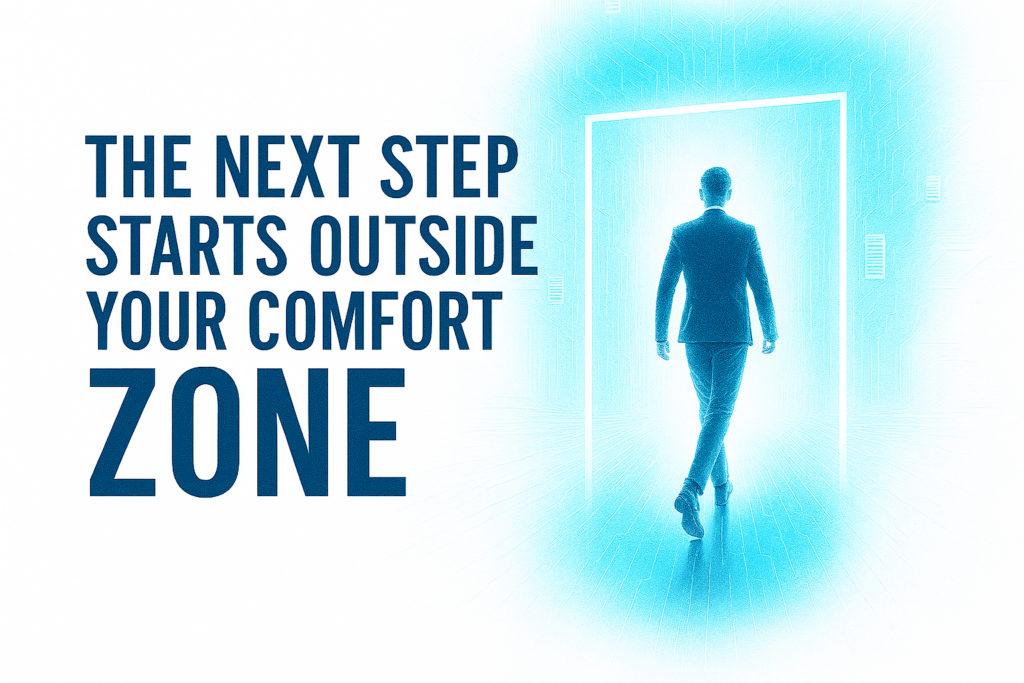
Growth doesn’t happen in comfort. It happens when we stretch, choosing learning over routine, curiosity over certainty, and possibility over fear.
Education Is Not Remedial, It’s Transformational
There’s a misconception that education is something we “finish” once we’re certified, experienced, or respected in our role; additional learning becomes optional. In CDI, nothing could be further from the truth.
Healthcare is constantly evolving. Coding guidance shifts. Quality measures evolve. Risk adjustment grows more complex. Documentation expectations expand. The most effective CDI professionals don’t react to these changes; they prepare for them. Pursuing education isn’t a signal that you’re lacking. It’s a declaration that you’re invested.
Education sharpens critical thinking. It deepens clinical reasoning. It helps you connect the dots between documentation, quality outcomes, compliance, and patient safety. And perhaps most importantly, it builds confidence, the kind that allows you to speak up, educate providers, and influence change with credibility.
Whether it’s advanced CDI coursework, specialty-focused learning, leadership development, or exposure to new care settings, education is how you expand both your skill set and your sense of what’s possible.
Growth Lives Just Beyond “I’m Comfortable”
Every meaningful career leap begins with discomfort. I love the quote from Jim Rohn, entrepreneur and business philosopher, who said, “If you are not willing to risk the usual, you will have to settle for the ordinary.”
Here’s the truth: no one ever feels completely ready. Maybe it’s volunteering to take on mortality reviews when you’ve never done them before. Maybe it’s stepping into provider education when you’re used to working quietly behind the scenes. Maybe it’s pursuing leadership, specialty CDI, risk adjustment, or teaching despite wondering if you’re “ready.”
Growth happens when you say yes before you feel confident, when you trust that learning will follow action. The moments that stretch you are the ones that shape you. They build resilience, broaden perspectives, and reveal strengths you didn’t know you had.
Comfort zones feel safe, but they don’t lead to transformation. And CDI is a profession built on the transformation of records, understanding, and outcomes.
Find a Mentor: You’re Not Meant to Do This Alone
One of the most powerful and often overlooked catalysts for career growth is mentorship. Behind every confident CDI leader is someone who once offered guidance, perspective, or encouragement at the right moment. Someone who said, “You can do this,” before they fully believed it themselves.
A mentor doesn’t have to be a formal title or a perfect match. It’s someone with experience and wisdom, someone willing to share lessons learned, mistakes made, and insights gained over time. A mentor helps you see the bigger picture when you’re stuck in the weeds and challenges you to think beyond your current role.
Seek out people whose careers you admire. Engage with industry thought leaders. Ask questions. Be curious. Most professionals are more willing to mentor than you might expect, and many remember exactly what it felt like to stand where you are now. Mentorship doesn’t remove obstacles, but it makes the path clearer and far less overwhelming.
Your Career Is a Journey, Not a Destination
CDI is more than a job. It’s a profession rooted in accuracy, integrity, and accountability. It requires lifelong learning, ethical clarity, and courage to grow. If you feel that nudge, the sense that you’re capable of more, listen to it.
Abraham Maslow said, “One can choose to go back toward safety or forward toward growth.” Pursue the education that stretches you. Step into opportunities that feel slightly uncomfortable. Find mentors who challenge and support you. The next step in your CDI career doesn’t require perfection; it requires intention. And often, the moment you step outside your comfort zone is the moment everything starts to change.